A simple skincare routine: the basics and what to add carefully
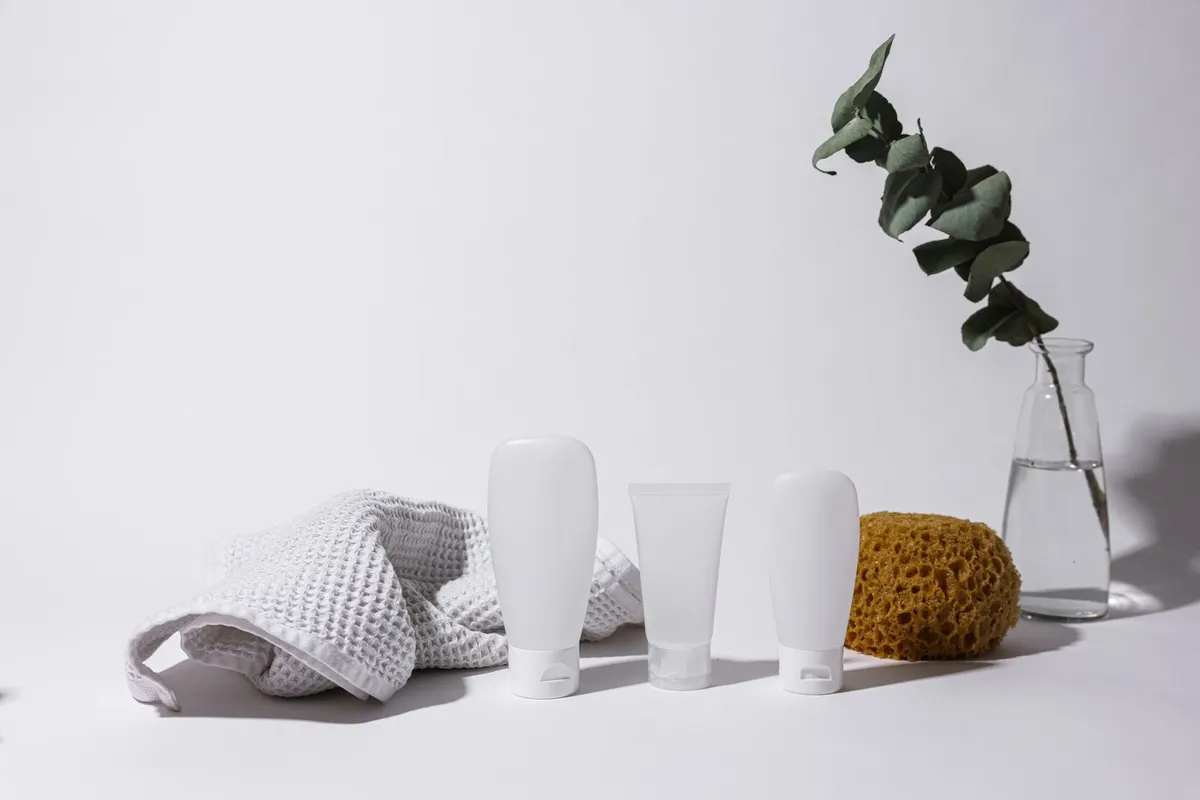
Bathroom shelves can fill up quickly with serums, toners and masks, yet many people find their skin feels best with a handful of products used consistently. A simple routine is easier to stick to, cheaper, and makes it much clearer which products actually suit you. This guide sets out a straightforward base and explains how to build on it with care.
A quick note before we start: this is general care advice, not medical advice. Everyone’s skin is different. If you have a skin condition, persistent irritation, or anything that worries you, please see a dermatologist or your doctor.
The core routine
At its simplest, a daily routine has three steps in the morning and two in the evening.
| Step | Morning | Evening |
|---|---|---|
| Cleanse | Optional: a gentle cleanser or a splash of water | Gentle cleanser |
| Moisturise | Yes | Yes |
| Protect | Broad-spectrum sunscreen | Not needed |
1. A gentle cleanser
The job of a cleanser is to remove dirt, oil, sunscreen and makeup without leaving your skin tight or squeaky. Look for something labelled gentle or mild, with a texture you enjoy: gel, cream, milk or lotion. Use lukewarm water rather than hot, massage for around 30 seconds and pat dry with a clean towel.
Many people cleanse properly only in the evening and use water alone in the morning. Try both and see what feels comfortable.
2. A moisturiser
A moisturiser helps keep skin feeling soft and comfortable. Texture is mostly a matter of preference and skin type:
- Lighter gels and lotions often feel pleasant on skin that gets shiny during the day.
- Richer creams can feel more comfortable on skin that tends to feel dry or tight.
- Some people use a lighter one in the morning and a richer one at night or in winter.
Apply to slightly damp skin after cleansing, including the neck.
3. Sunscreen every morning
Daily sunscreen is one of the most widely recommended habits in skincare. Choose a broad-spectrum product with a high SPF, apply a generous amount as the last step of your morning routine, and reapply if you are outdoors for long periods, swimming or sweating. It matters on cloudy days and in winter too. The best sunscreen is one you like enough to wear every day, so try a few textures until you find yours.
Removing makeup properly
If you wear makeup or water-resistant sunscreen, one cleanse may not remove it all.
- Double cleansing means using an oil, balm or micellar water first to dissolve makeup, then following with your usual gentle cleanser.
- Hold a soaked cotton pad on the eyes for a few seconds before wiping, rather than rubbing, to lift mascara.
- Wash makeup brushes and sponges regularly with mild soap and let them air-dry.
- Never sleep in makeup if you can help it; even a quick cleanse is better than none.
Adding products carefully
Once the basics are part of your day, you may want to add something extra: a serum, an exfoliant or an eye cream, for example. A few principles help keep things calm.
- One new product at a time. Wait a few weeks before introducing another, so you know what is responsible for any change.
- Start slowly. Use active products such as exfoliating acids or retinoids a couple of times a week to begin with, and follow the instructions on the packaging.
- Avoid stacking strong products. Using several exfoliating or active products together increases the chance of irritation.
- Keep the basics. New products are additions, not replacements for cleansing, moisturising and sunscreen.
- Ask for advice. A pharmacist or dermatologist can help you choose products if you are unsure.
How to patch test
Patch testing is a simple way to check how your skin reacts before you use something on your whole face.
- Apply a small amount of the product to a discreet area, such as behind the ear, on the side of the neck or on the inner arm.
- Use it there as directed, once or twice a day, for several days.
- If you notice redness, itching, burning or swelling, wash it off and stop using the product.
- If there is no reaction, start using it on your face gradually.
A patch test does not guarantee that a product will suit you, but it can help you avoid an unpleasant surprise. If a reaction is strong or does not settle, seek medical advice.
Small habits that help
- Change pillowcases and face towels regularly.
- Keep your hands away from your face during the day.
- Store products as directed and note when they were opened.
- Do not share skincare or makeup that touches the skin directly.
Keeping it simple
A short routine done consistently is easier to maintain than a long one you skip. When your skin feels comfortable, a little colour on the nails, like our dotting tool nail art, or a well-chosen outfit from the monochrome capsule wardrobe is all the extra effort most mornings need. To find out more about who we are and what we cover, visit our about page.
This article may contain partner links. They never influence what we write.