Choosing a leather bag that lasts: grain, stitching and care
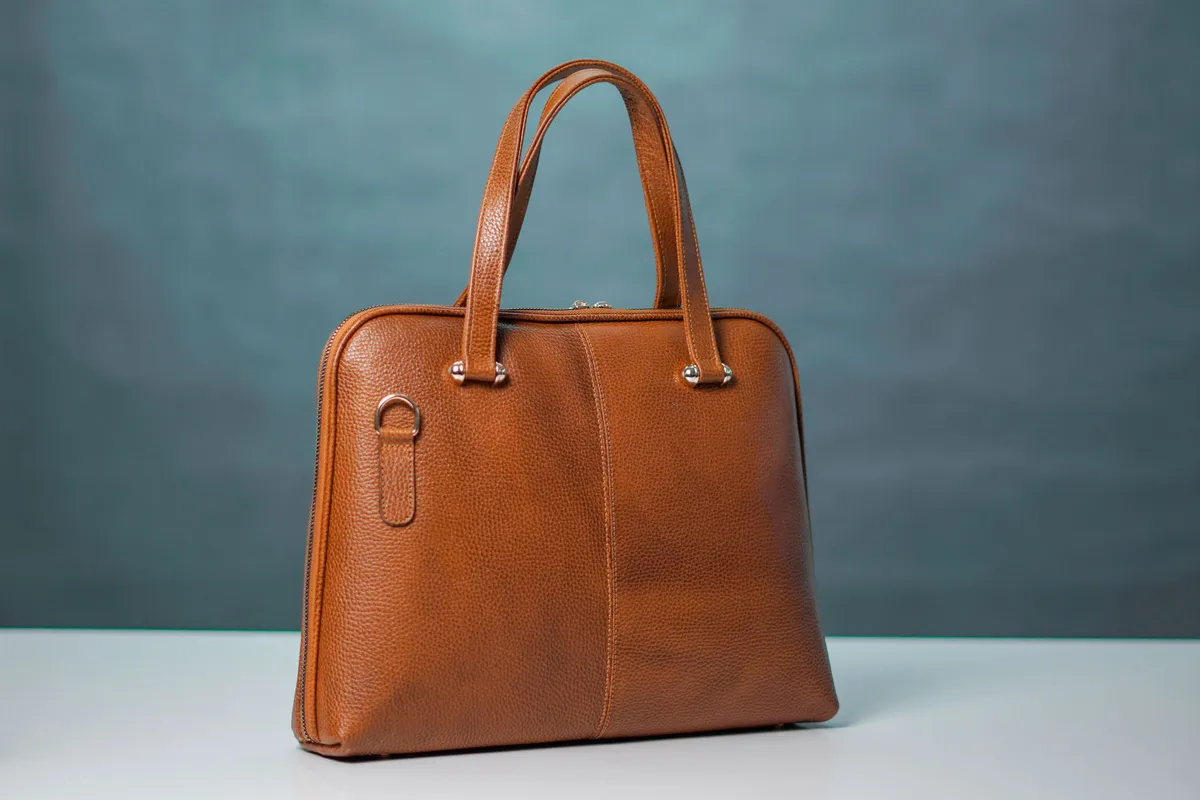
A good leather bag can stay with you for many years, gaining character as it goes. A poor one can peel, sag or split within a season, even if it looked similar in the shop. The difference is rarely about the logo and almost always about the leather and the way the bag is put together. Here is what to look for before you buy, which shape to choose, and how to keep it in good condition.
Understanding leather grades
Labels like “genuine leather” sound reassuring but tell you very little. These are the terms that matter.
| Type | What it is | How it ages |
|---|---|---|
| Full-grain | The outer layer of the hide with its natural surface intact | Develops a rich patina, very durable |
| Top-grain | The outer layer, lightly sanded and finished for a more even look | Durable, smoother, ages more uniformly |
| Corrected grain | Surface heavily sanded, then embossed and coated to hide marks | Stiffer, the coating can crack with time |
| Bonded leather | Leather scraps and fibres glued and pressed onto a backing | Tends to peel and flake, short-lived |
Full-grain is the toughest and most characterful choice, and it will show small marks and natural variations, which many people love. Top-grain is a solid, practical option if you prefer a cleaner, more uniform finish. Corrected grain can be perfectly fine for structured, glossy styles at a lower price, but expect less longevity. Bonded leather is best avoided if you want something that lasts.
A quick shop test: look at the surface closely. Natural grain shows slight irregularities and pores; a perfectly repeated pattern often means embossing. Smell and feel also help, though they are less reliable than the label and the construction.
Construction details to check
Stitching
Look for small, even, tight stitches that run in straight lines. Pull gently at the handle joins and strap anchors, which take the most strain. Loose threads, wandering lines or very long stitches are warning signs. Extra reinforcement, such as a second row of stitching or a rivet at stress points, is a good sign.
Edges
The raw edges of leather panels are finished in one of two common ways. Painted or burnished edges are smoothed and sealed; they should be even, without bubbles or cracks. Folded (turned) edges are wrapped over and stitched, which gives a neat, rounded look. Both are fine when done carefully; sloppy edge paint is often the first thing to fail.
Hardware
Buckles, rings, clasps and zips should feel solid and heavy for their size, with no sharp seams. Zips should run smoothly in both directions. Plated hardware can wear over time, so a simple, well-made metal clasp is better than lots of decorative pieces. If you like the look of matched metals, our guide to layering gold jewellery shows how to echo bag hardware in your accessories.
Lining
Open the bag and check the inside. A good lining is stitched in neatly, not just glued, and made from a durable fabric or soft suede. Unlined bags in thick full-grain leather can be excellent too; just make sure the inside surface is clean and smooth. Useful pockets, such as a zipped one for keys, matter more than a long list of compartments.
Choosing a shape
The right shape is the one that fits your day.
- Tote: roomy and open, good for work, a laptop or shopping. Choose sturdy handles long enough to wear on the shoulder over a coat, and a zip or magnetic closure if you take public transport.
- Crossbody: hands-free and secure, ideal for city walking and travel. An adjustable strap lets it sit at the hip or higher on the body.
- Shoulder bag: sits under the arm or on the shoulder and works from desk to dinner. A medium size is the most versatile.
Neutral colours such as black, tan, cognac, chocolate or taupe go with most wardrobes. If you follow a tight palette, like the one in our monochrome capsule wardrobe, choose the shade that repeats most often in your clothes and shoes.
Caring for your leather bag
Leather is a natural material and appreciates gentle, regular care.
- Dust and wipe. Brush off dust with a soft cloth every so often, and wipe marks with a barely damp cloth.
- Condition occasionally. A neutral leather conditioner keeps the hide supple; apply sparingly and test on a hidden area first.
- Protect from water. If the bag gets wet, blot it and let it dry naturally at room temperature, never on a radiator.
- Store with care. Stuff the bag with paper to keep its shape, empty the pockets, and keep it in a breathable dust bag away from direct sun.
- Don’t overfill. Heavy loads stretch handles and distort the body over time.
- Use a professional. For deep stains, worn edges or broken stitching, a leather repairer or cobbler can often restore a bag for much less than a replacement.
A buyer’s checklist
- The label names the leather type, ideally full-grain or top-grain.
- Stitching is small, straight and reinforced at stress points.
- Edges are smooth, sealed or neatly folded.
- Hardware feels solid and zips run cleanly.
- The lining is sewn in and the inside is tidy.
- The shape and strap length suit how you actually carry your things.
If you enjoy working with leather, our braided leather bracelet is a small project that gives you a feel for the material.
This article may contain partner links. They never influence what we write.